AI and machine learning are accelerating the automation of routine and cognitive tasks. The critical question is no longer whether work will change, but which human capabilities will matter most as intelligent systems scale. Some are obvious, like imagination, empathy, and manual skills such as craft. What is emerging? How to plan long-term skills development in future-ready organisations?
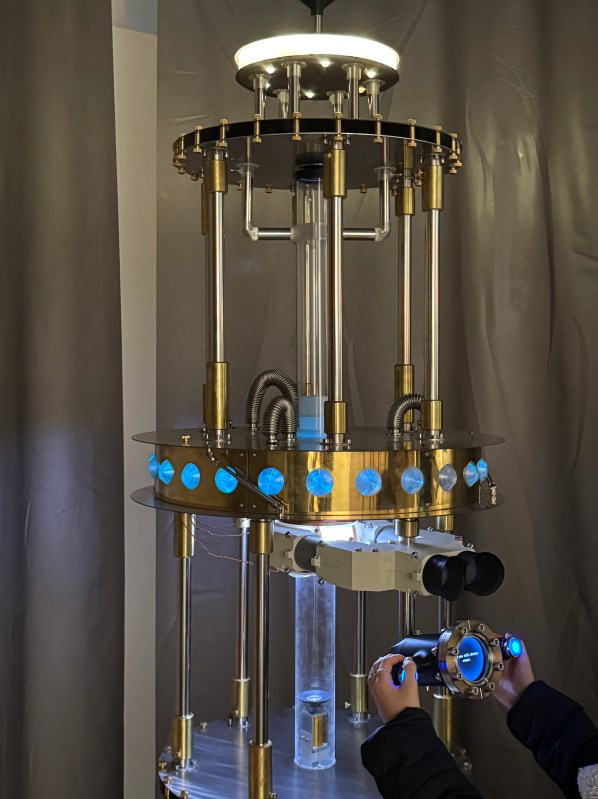
Image: Superdecision by Matthew Woodham. Exposing system dynamics of nature by integrating physical models which describe the behaviours of complex systems. Science Gallery London 2025
THE ROLE OF HUMANS IN THE LOOP
Large language models (LLMs) were put through the Turing test this year. OpenAI’s GPT-4.5 was deemed indistinguishable from a human more than 70% of the time. Yet these systems continue to hallucinate, misinterpret context, and produce confidently wrong outputs. Increasingly, the governance of the AI architecture becomes a major task; automation does not remove responsibility.
I previously wrote about Cultural Shifts and More-than-human Intelligence, which recognises different types of intelligence:
- BIOLOGICAL Intelligence learns from the wisdom of nature
- COLLECTIVE Intelligence improves the community for all
- EMOTIONAL Intelligence uses emotions as a tool for self-optimisation
- ARTIFICIAL Intelligence complements human capabilities at scale
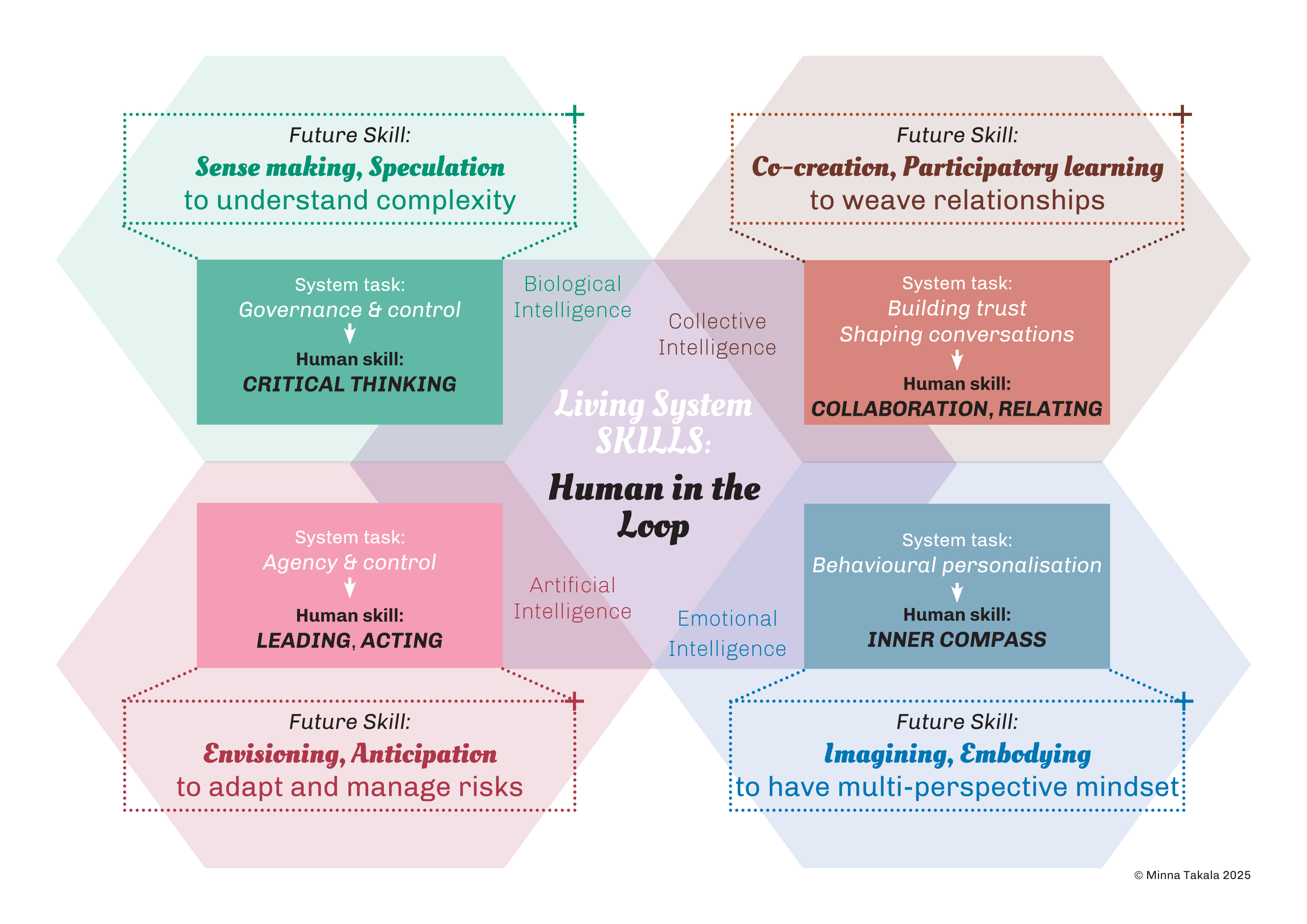
Generally speaking, increasing intelligence and knowledge tends to expand existing roles and blur boundaries between functions. Oversight of the living system becomes essential. The role of Human in the Loop is to govern the Intelligence system using human judgment, contextual understanding, and critical thinking. The Human in the Loop applies strategy, context and ethics to steer intelligent systems towards desired futures.
WHICH HUMAN SKILLS WILL BE IN DEMAND?
As routine tasks are increasingly shifting towards automation, which skill areas remain distinctly human?
All humans are capable of introspection: the ability to examine one’s own thoughts, feelings, and motivations. This innate capacity fundamentally distinguishes humans from machines and offers a useful starting point for developing human skills. Human value increasingly concentrates in areas that require reflection, interpretation, and meaning-making. This capability is foundational for leadership in uncertain environments.
One structured way to strengthen this inner capability is through the IDG (Inner Development Goals) framework. It was constructed to identify, popularise and support the development of relevant abilities, skills and qualities for inner growth. Developed to support leadership and societal transformation, the framework identifies skills and qualities needed to navigate complexity and long-term change.
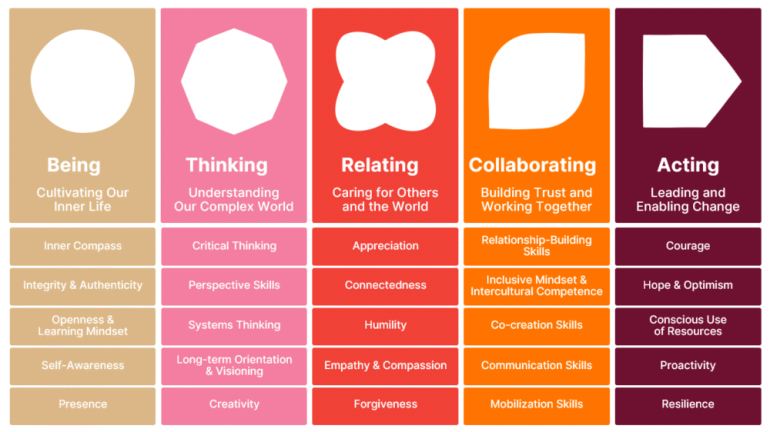
To summarise, the framework covers SOCIAL (Relating and Collaborating), EMOTIONAL (Being), LEADERSHIP (Acting) and Higher-level THINKING (Thinking) skills. These domains align closely with what foresight and innovation practice already demand, and are widely expected to be among the last areas to be automated.
WHAT IS EMERGING?
Industry-leading organisations have been experimenting and have started implementing AI assistants, AI agents, and AI-native operating models.
Early lessons highlight where human leadership remains indispensable. Critical areas and Human Skill needs include:
- Governance and control
Critical Thinking skills, synthesising, alignment, oversight, visioning
- Agency
Decision-making skills, strategic prioritising, system stewardship
- Trust building
Contextual understanding skills, using judgement, ethics, accountability
- Understanding behaviour
Multi-perspective lens, emotional judgment, problem solving, intuition
- Conversational communication
Facilitation and coordination skills, relationship management, nuance
Using Foresight & Futures Thinking to build new capabilities
Learning Foresight and Futures Thinking are great ways for many organisations to build new capabilities. When viewed through the lens of future human skill demands, these practices support both individual and organisational development.
Future Mindset SKILLS
- Sense making, exploration in ambiguous environments
- Anticipation of emerging risks, opportunities, and weak signals
- Envisioning, Speculation to challenge dominant assumptions
- Co-creation and participatory learning across disciplines and stakeholders
- Imagining, Embodying, prototyping to translate insight into action
There is a strong argument for investing in these practices as part of a long-term skills vision, with near-term experimentation.
KEY QUESTIONS FOR NEXT STEPS
- Which human capabilities are becoming strategically critical for your organisation’s future?
- What modes of learning are required: action-based experimentation, social learning, or reflective mindset shifts?
- Do you need a long-term strategy for skills development?
 Trending Topics by Minna Takala